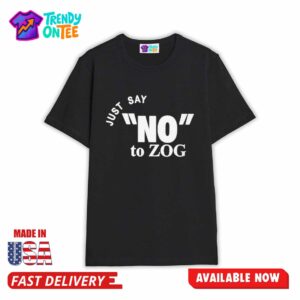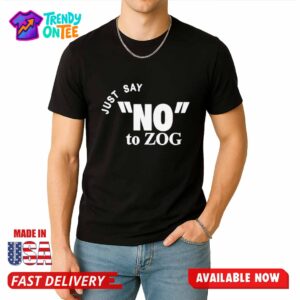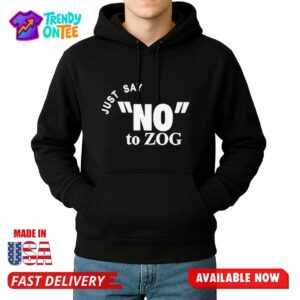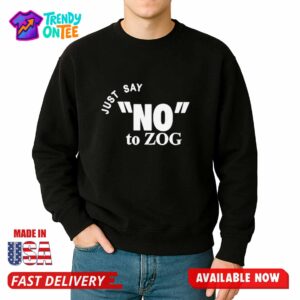
Fashion often acts as a mirror of history, culture, and controversy. Some shirts carry lighthearted jokes, while others capture heavier moments that reflect broader social climates. When an image resurfaces online, it doesn’t always speak to what it once meant it often becomes a meme, a cultural artifact that reveals how the internet processes the past.
Why the Just Say NO To ZOG Shirt Became a Viral Symbol
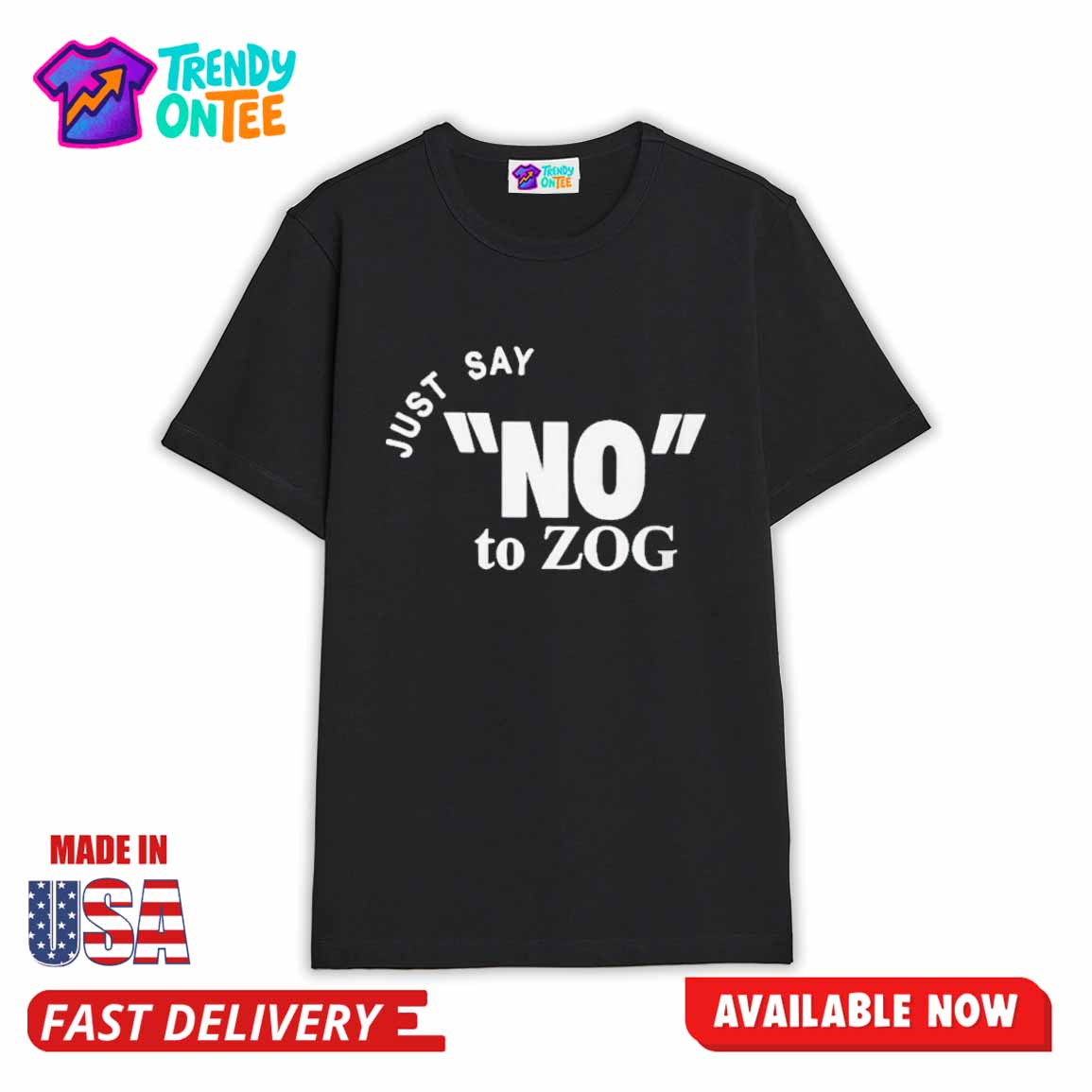
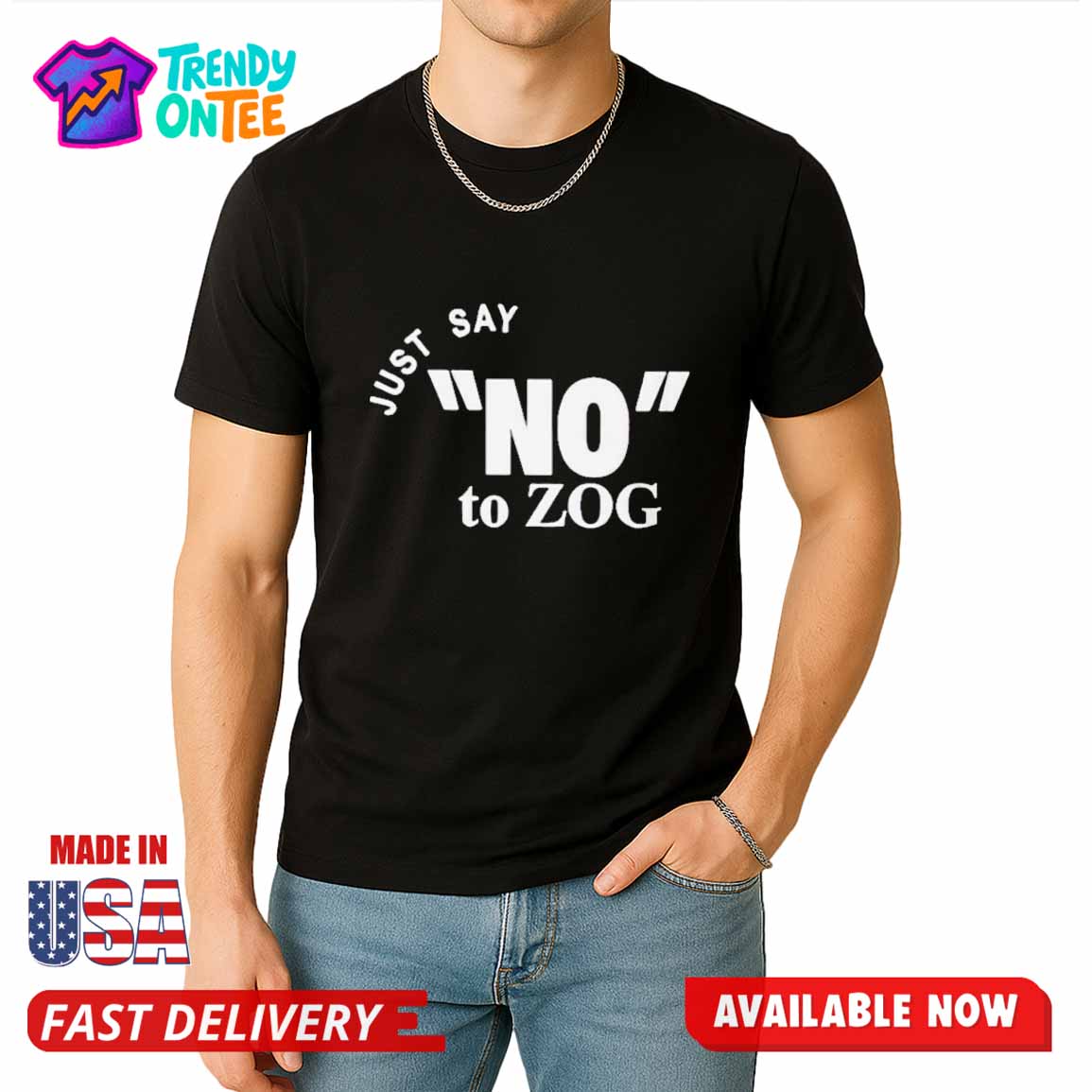
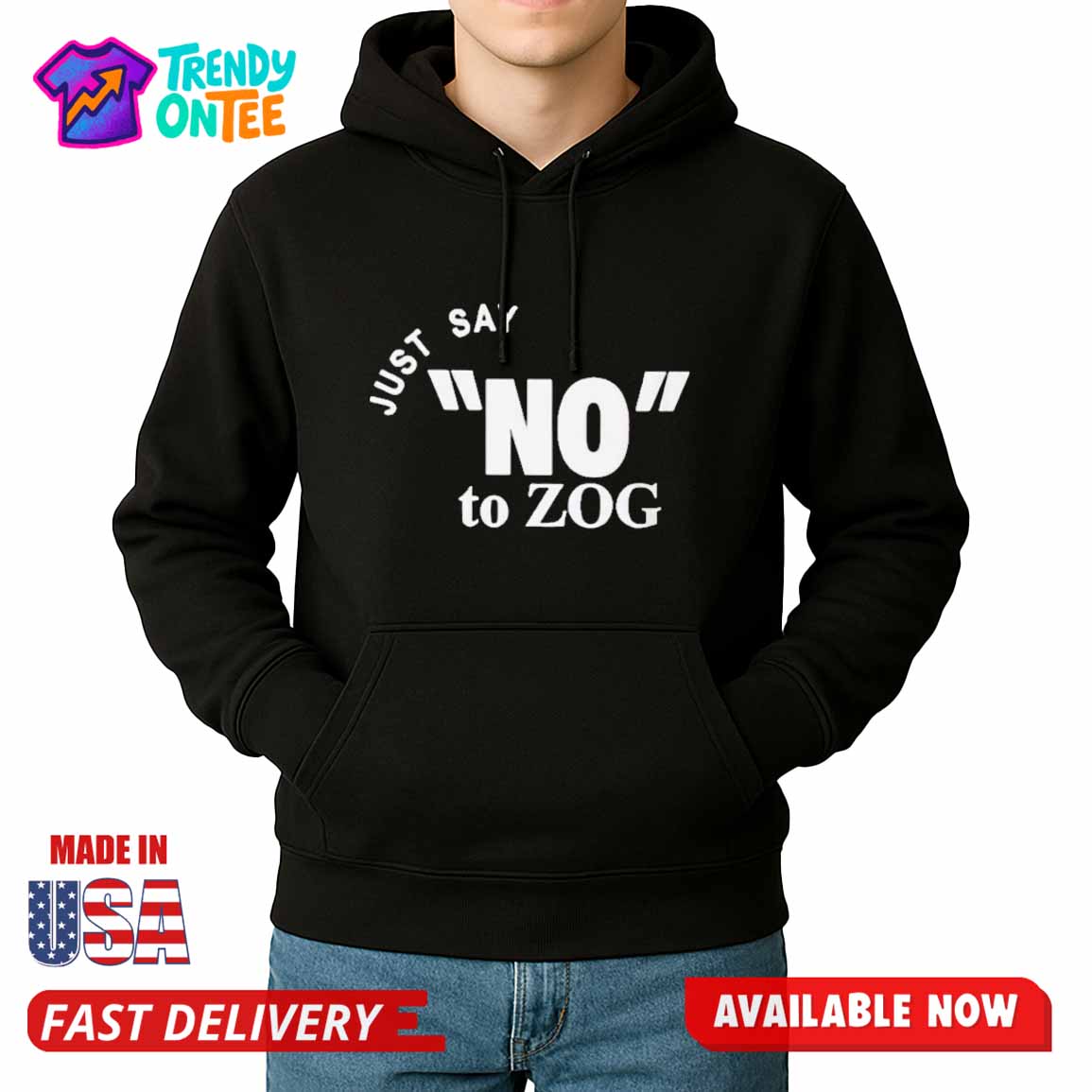
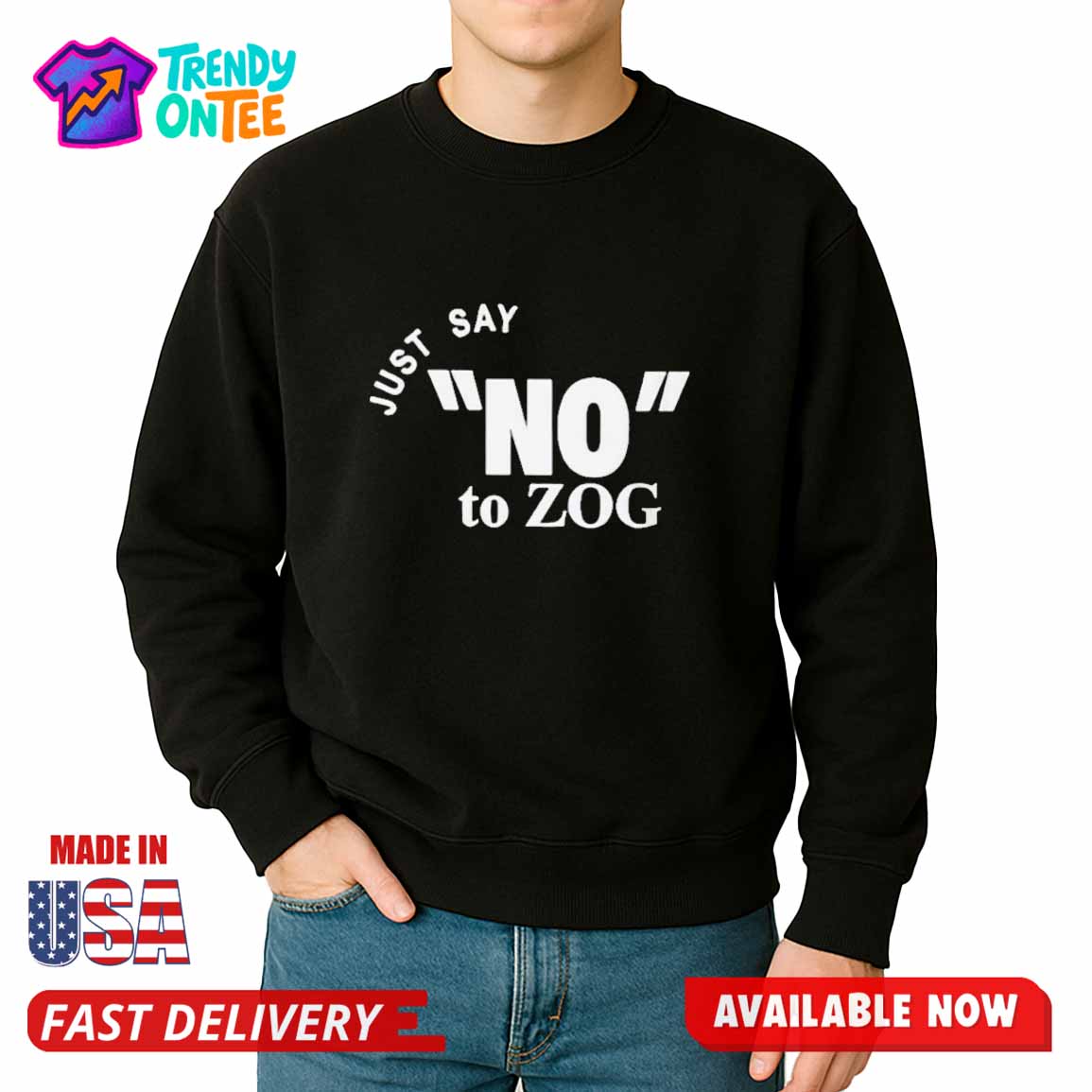
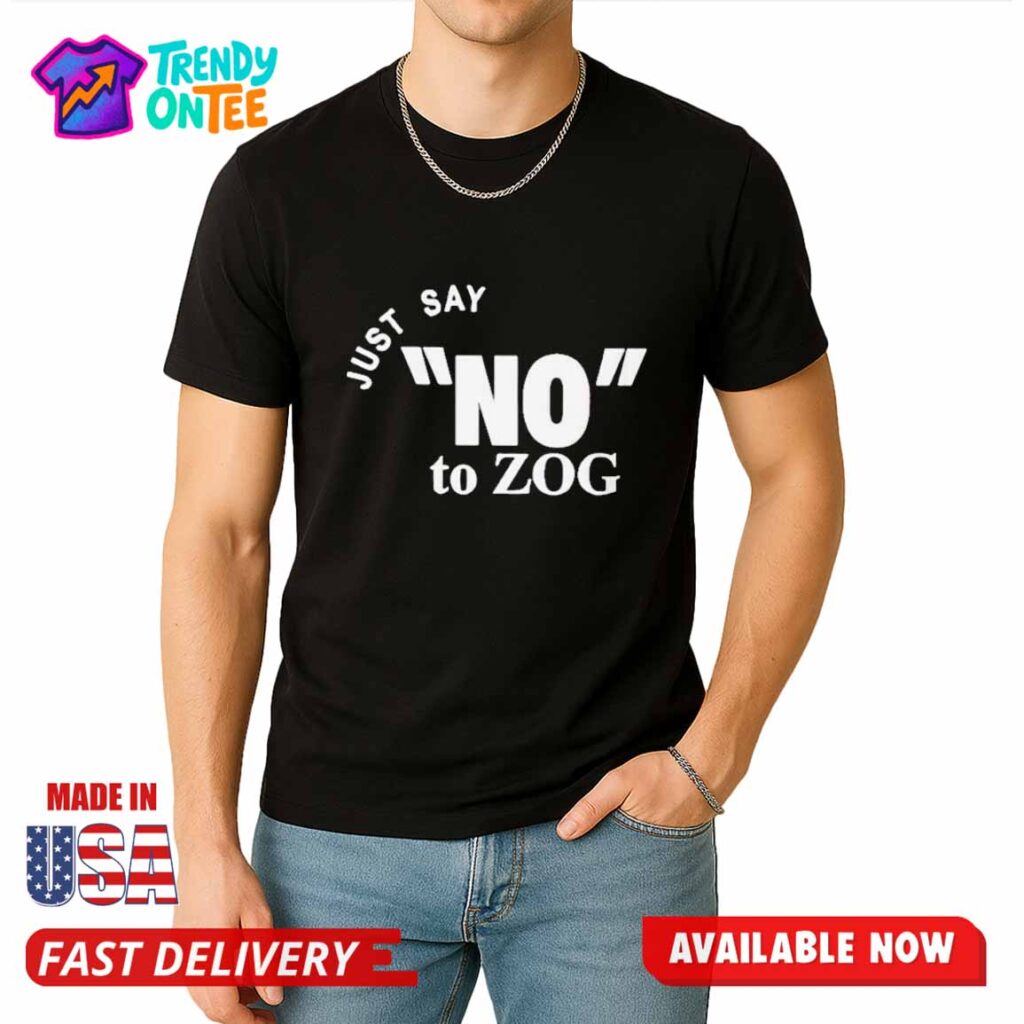
The Just Say NO To ZOG Shirt is one of those pieces that exists less as clothing and more as an object of cultural debate. Its bold black-and-white typography, with the word “NO” blown up in quotation marks, makes the design visually blunt and unmissable. Worn decades ago and photographed in a historical context, it has since resurfaced on platforms like Twitter and commentary pages.

What gives this shirt its viral afterlife is not the fashion itself but the way people engage with it online. Memes thrive on shock value, nostalgia, or absurdity, and this image contains all three. When old photos are rediscovered and reshared, they spark conversations not only about the individual who wore them but also about the broader events and ideologies tied to that era.
The phrase itself has roots in conspiracy-laden subcultures, which is why it carries such weight and controversy. Yet in meme culture, the shirt now circulates less as a political endorsement and more as a curiosity a reminder of how clothing can lock a moment in time and then be reinterpreted by future generations.
In the end, the Just Say NO To ZOG Shirt isn’t really about style. It’s about the way the internet repurposes history into viral moments, reminding us that even a simple piece of fabric can carry layers of meaning, from dark origins to digital-age reinterpretations.


HAPPY CUSTOMERS, HAPPY US
There are no reviews yet.